

Calliope IDE v1.4.0: Bedrock Support and Smarter Agents
What’s New in v1.4.0 Calliope AI IDE v1.4.0 is our biggest agent reliability release yet. This update brings full …


Every organization has knowledge scattered across documents, wikis, and people’s heads. Finding information takes time. Getting answers takes longer.
AI-powered knowledge bases turn your documents into question-answering systems.
Organizations accumulate knowledge in:
Getting answers means:
That’s assuming the knowledge is documented at all.
Instead of searching, just ask:
“What’s our policy on remote work?” “How do I submit an expense report?” “What’s the process for requesting new equipment?” “Who should I contact about building access?”
AI retrieves relevant documents and generates direct answers.
Document ingestion: Your documents are processed and indexed.
Question understanding: AI interprets what the user is asking.
Retrieval: Relevant document sections are found.
Answer generation: AI synthesizes an answer from retrieved content.
Citation: Sources are provided so users can verify.
With Calliope:
Employee onboarding: “Where do I find the benefits enrollment form?” “What’s the policy on taking PTO?” “How do I set up my development environment?”
Customer support: “What’s the return policy for enterprise accounts?” “How do I integrate with the API?” “What are the service level guarantees?”
Technical documentation: “How does the authentication system work?” “What’s the deployment process for production?” “Where is the database schema documented?”
Policy compliance: “What are the data retention requirements?” “How should I handle customer PII?” “What approvals are needed for this purchase?”
The technology behind AI knowledge bases is RAG:
RAG grounds AI responses in your actual documents, reducing hallucinations.
Better knowledge bases have:
Good source documents: Well-written, current, comprehensive
Effective chunking: Documents split into meaningful sections
Quality embeddings: Semantic search that finds relevant content
Smart retrieval: Right amount of context, not too much or too little
Clear citations: Users can verify answers against sources
Knowledge bases need ongoing care:
A stale knowledge base is worse than no knowledge base.
Enterprise knowledge bases need:
For building AI knowledge systems:
Turn your documents into answers.
What’s New in v1.4.0 Calliope AI IDE v1.4.0 is our biggest agent reliability release yet. This update brings full …
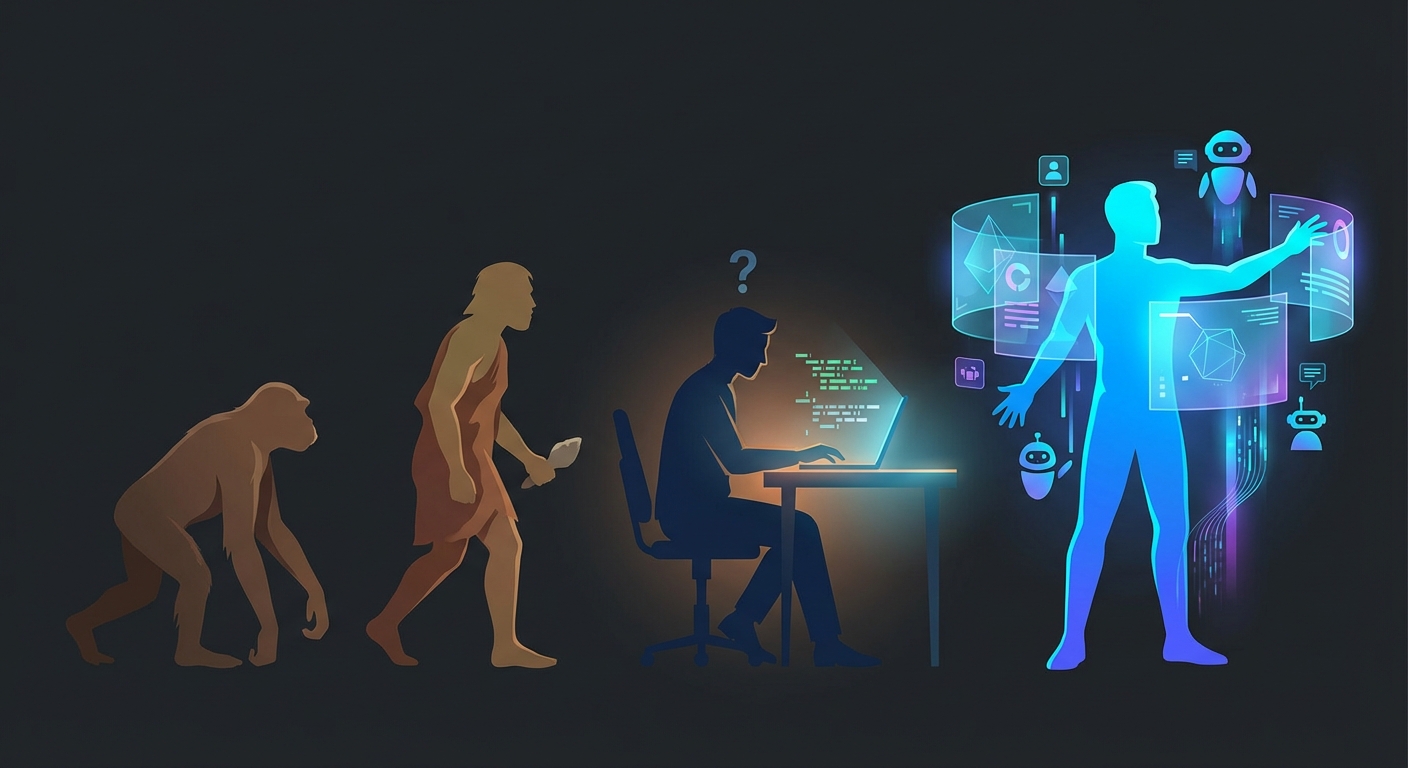
The Three Eras of AI-Assisted Development In less than four years, the way developers use AI has gone through three …