

Calliope IDE v1.4.0: Bedrock Support and Smarter Agents
What’s New in v1.4.0 Calliope AI IDE v1.4.0 is our biggest agent reliability release yet. This update brings full …


Everyone agrees documentation matters. Nobody wants to write it. The result: outdated docs, missing docs, or no docs at all.
AI can generate documentation from code, keeping docs accurate and current with far less effort.
Documentation debt accumulates because:
The irony: documentation is most valuable when it’s current, but it’s hardest to maintain when things change fast.
AI can generate:
API documentation:
Code documentation:
Architecture docs:
User guides:
From code: “Generate documentation for this API endpoint, including parameters, responses, and example usage”
AI reads the code and generates documentation that matches actual implementation.
From existing docs: “Update this documentation to reflect the changes in this pull request”
AI diffs the code changes and suggests documentation updates.
From scratch: “Write a getting started guide for new users based on our product’s main features”
AI synthesizes documentation from code structure and existing context.
Integrate AI docs into development:
In Calliope’s AI IDE:
Generate function docs: “Write docstrings for all functions in this file”
Create API reference: “Generate OpenAPI documentation for this controller”
Write tutorials: “Create a step-by-step tutorial for implementing authentication using our SDK”
Update changelogs: “Write a changelog entry for the changes in this PR”
AI-generated docs work best with human editing:
AI provides:
Humans add:
The combination: comprehensive, current, and readable.
High-change codebases: Frequent updates make manual docs impossible Large APIs: Too many endpoints to document manually Standard formats: OpenAPI, JSDoc, etc. have clear patterns Reference material: Factual content AI can verify against code
Conceptual guides: Explaining “why” requires human insight Tutorials: Learning journeys need pedagogical expertise Architecture decisions: Historical context only humans know Marketing docs: Voice and persuasion need human touch
For AI-assisted documentation:
Documentation that stays current. Finally.
What’s New in v1.4.0 Calliope AI IDE v1.4.0 is our biggest agent reliability release yet. This update brings full …
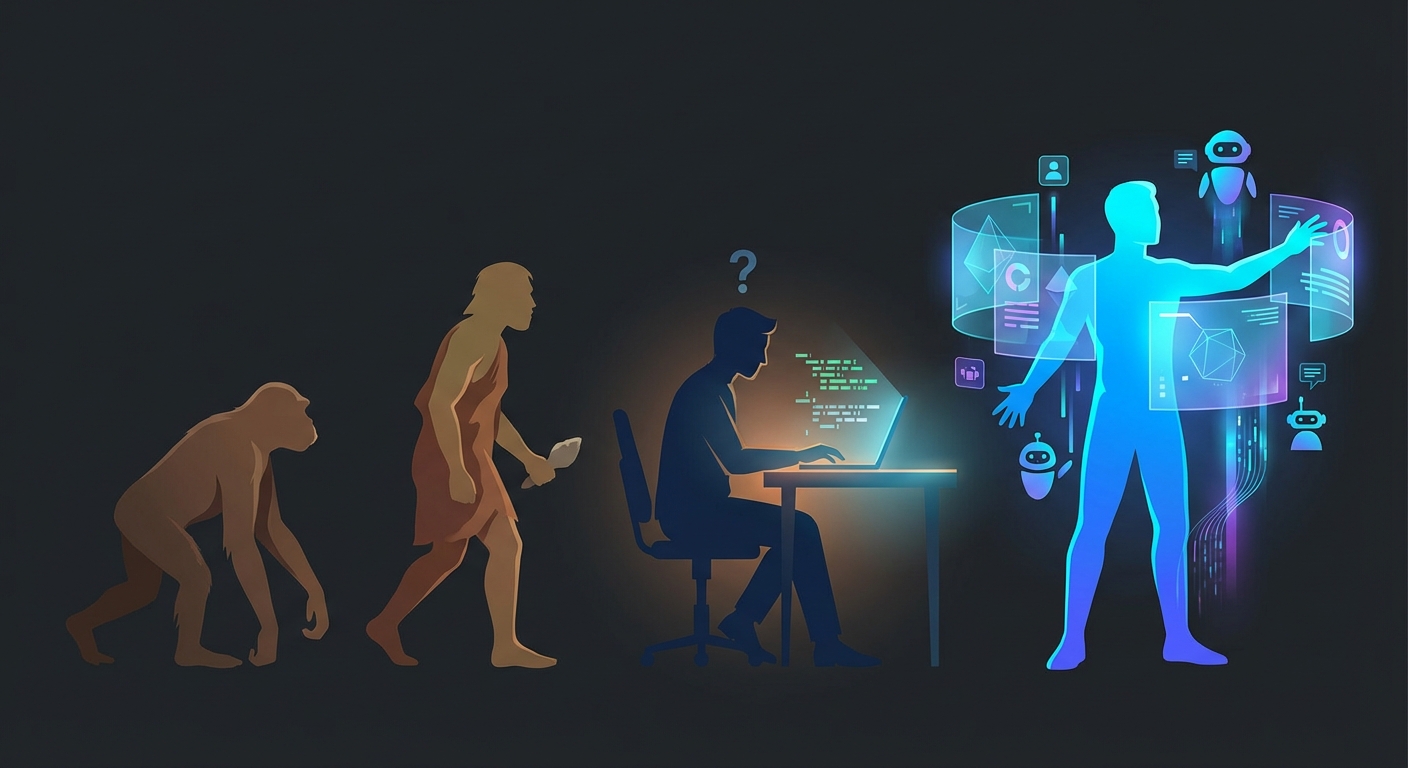
The Three Eras of AI-Assisted Development In less than four years, the way developers use AI has gone through three …