

Calliope IDE v1.4.0: Bedrock Support and Smarter Agents
What’s New in v1.4.0 Calliope AI IDE v1.4.0 is our biggest agent reliability release yet. This update brings full …


One agent answering one question is a toy. Real systems coordinate teams of specialized agents—planning, retrieving, building, validating—working together across data, apps, and users.
Calliope is built for multi-agent orchestration.
Single agents hit limits quickly:
Multi-agent systems solve this by dividing work among specialized agents that communicate and coordinate.
Break complex tasks into subtasks. Determine which agents to invoke. Coordinate the overall workflow.
What they do:
Write, review, and refactor code. Understand your codebase patterns. Execute tests and validate changes.
What they do:
Gather information from multiple sources. Synthesize findings. Validate claims against evidence.
What they do:
Query databases, analyze datasets, generate visualizations. Connect to your actual data sources.
What they do:
Find relevant information from large document collections. Power RAG pipelines. Maintain context.
What they do:
When you give Calliope a complex task, here’s what happens:
Agent Communication:
Example: “Analyze why customer churn increased and suggest fixes”
Planning Agent: "I need to investigate churn. Let me break this down:
1. Get churn metrics by segment
2. Review support tickets for complaints
3. Correlate with product usage
4. Synthesize findings
5. Draft implementation plan"

Data Agent: (queries database)
→ Returns: {churn_rate: 15%, segments: [...], trends: [...]}

Research Agent: (analyzes support tickets)
→ Returns: {common_issues: [...], sentiment: negative, themes: [...]}

Data Agent: (correlates metrics)
→ Returns: {correlation_analysis: {...}, root_causes: [...]}

Planning Agent: (synthesizes all results)
→ Returns: "Top 3 causes of churn and recommended fixes"

Coding Agent: (drafts implementation)
→ Returns: "Implementation plan for top fix"
Agents don’t have to work sequentially. Independent subtasks run in parallel:
Task: "Set up authentication for the new API"

├── [Parallel]
│   ├── Research agent: Review auth best practices
│   ├── Research agent: Check existing auth patterns in codebase
│   └── Data agent: Query user permission requirements
│
└── [Sequential]
    ├── Planning agent: Synthesize research into design
    ├── Coding agent: Implement auth middleware
    ├── Coding agent: Write tests
    └── Coding agent: Update documentation
In enterprise environments, multi-agent systems need governance. Zentinelle provides:
Every agent action is observable, controllable, and auditable.
Calliope provides multiple ways to build multi-agent systems:
Langflow: Visual drag-and-drop for agent workflows AI IDE: Agent mode with configurable sub-agents SDK: Programmatic agent orchestration
Start simple with single agents. Graduate to multi-agent as your needs grow.
What’s New in v1.4.0 Calliope AI IDE v1.4.0 is our biggest agent reliability release yet. This update brings full …
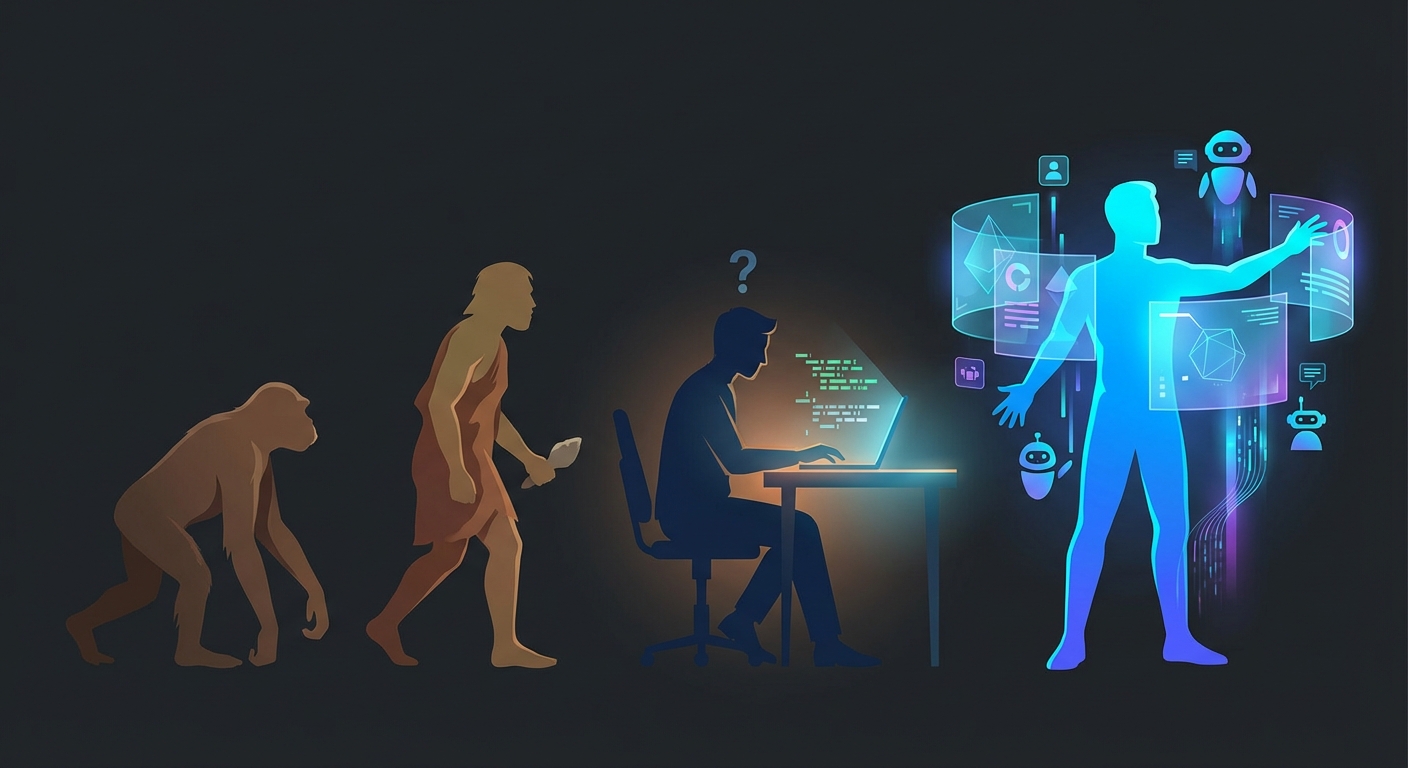
The Three Eras of AI-Assisted Development In less than four years, the way developers use AI has gone through three …