

Calliope IDE v1.4.0: Bedrock Support and Smarter Agents
What’s New in v1.4.0 Calliope AI IDE v1.4.0 is our biggest agent reliability release yet. This update brings full …


On February 28, 2026, Microsoft officially retires Azure Data Studio. For thousands of developers and data engineers who relied on it as a free, cross-platform database tool, the options are bleak: pay for DataGrip, wrestle with DBeaver’s interface, or cobble together CLI tools.
We built Loadr to fill that gap — and go further.
Loadr is an AI-powered data management studio. It combines the database client you need with the AI assistant you wish you had. Connect to your databases, write SQL with AI help, explore schemas visually, and run ETL pipelines — all from one tool.
It’s free. It’s open. And as of today, it ships as a signed desktop app for macOS, Windows, and Linux.
At its core, Loadr is a modern database client. Connect to PostgreSQL, MySQL, Snowflake, or MSSQL. Browse your server tree, open SQL editors, run queries, and inspect results in a fast data grid.
But the database client is just the foundation. Loadr layers AI on top of every workflow.
The built-in copilot sits in a sidebar panel and understands your database context. It can list tables, inspect schemas, run queries, and reason about your data — all through natural conversation. Ask it to explain a complex join, optimize a slow query, or profile a table’s data quality.
The copilot uses an agentic architecture with tools. When you’re connected to a server, it automatically gains access to your database metadata and can execute queries on your behalf. It doesn’t just generate SQL — it runs it, checks the results, and iterates.
Hit Cmd+L and describe what you want in plain English. Loadr translates it to SQL, shows you the query, and lets you run it. No more digging through schema docs to remember column names.
Loadr supports over a dozen AI providers: Anthropic, OpenAI, Google, Mistral, Cohere, Together AI, HuggingFace, and more. Running on AWS? Use Bedrock with your IAM credentials. Want to keep everything local? Point it at your Ollama instance.
You bring your own API keys. No Calliope account required. No subscriptions. No usage fees beyond what you pay your AI provider directly.
Loadr isn’t just a query tool. It supports data sources (S3, GCS, CSV, JSON, Excel, XML) and data targets for building ETL workflows. Import data from cloud storage, transform it with SQL, and load it into your database — or export query results to files.
Loadr ships as a native desktop app built on Electron with a Python backend. The macOS build is signed and notarized by Apple — no Gatekeeper warnings, no right-click workarounds. Windows and Linux builds are available as installers and portable packages.
| Platform | Architecture | Format |
|---|---|---|
| macOS | Apple Silicon (M1/M2/M3/M4) | .dmg |
| Windows | x64 | .exe installer |
| Linux | x64 | .AppImage, .deb, .tar.gz |
| Linux | ARM64 | .AppImage, .tar.gz |
Download from the Releases page .
Loadr runs as a web application on Calliope AI , our cloud launcher platform. Teams get Loadr alongside notebooks, IDEs, and other development tools — all provisioned per-user with enterprise authentication and governance.
This is the first public release of Loadr. It covers the core workflows: connecting to databases, writing SQL, and getting AI help. It’s early, and we’re shipping it because we believe the best tools get built with real user feedback. Expect rough edges — if you run into bugs or have feature requests, we want to hear about it.
The roadmap includes extended database connectors (25+), SQL autocomplete, ER diagrams, a visual data editor, query history, data profiling and charts, and a full import/export engine.
We’re building Loadr in the open. If you’re a data engineer or developer who misses having a good, free database tool — give it a try and let us know what you think.
What’s New in v1.4.0 Calliope AI IDE v1.4.0 is our biggest agent reliability release yet. This update brings full …
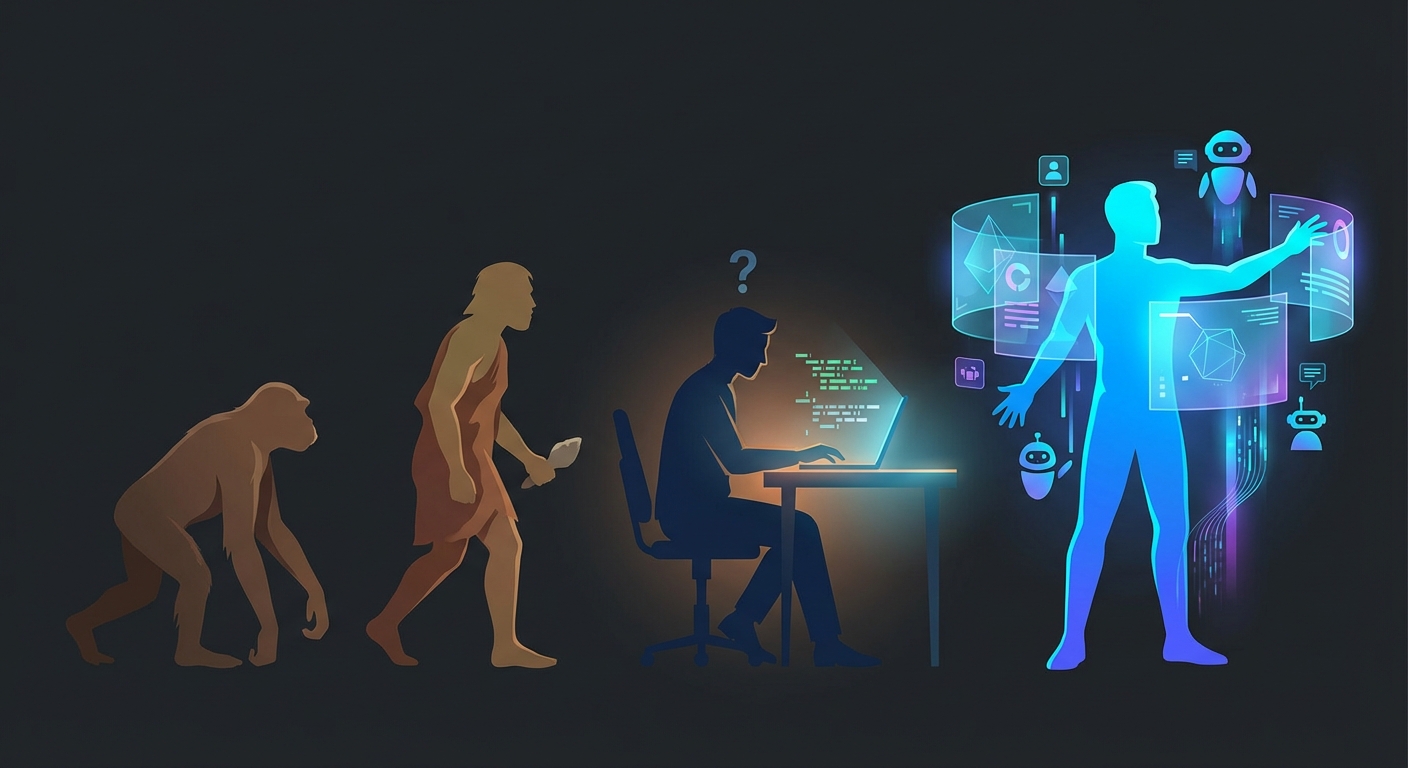
The Three Eras of AI-Assisted Development In less than four years, the way developers use AI has gone through three …