
Calliope IDE v1.4.0: Bedrock Support and Smarter Agents
What’s New in v1.4.0 Calliope AI IDE v1.4.0 is our biggest agent reliability release yet. This update brings full …


Manufacturing companies run on institutional knowledge. Process specifications. Quality parameters. Equipment procedures. Supplier relationships. Decades of accumulated expertise.
That knowledge is competitive advantage. It’s also trapped—in documents, in databases, in the heads of experienced engineers.
AI could unlock it. But manufacturing AI has to solve two problems simultaneously: make knowledge accessible AND keep it protected.
Calliope brings AI to manufacturing—protecting your IP while democratizing your expertise.
Manufacturing faces unique constraints:
IP is everything. Process specifications, quality parameters, equipment configurations—this is your competitive moat. Exposing it to cloud AI services is unacceptable.
Supply chain complexity. Vendors, contractors, and partners need access to some information but not all. Permissions are granular.
Operational technology considerations. Manufacturing AI might need to interact with OT systems. Security requirements are stringent.
Global operations. Plants in multiple countries, different regulations, varied connectivity.
Keep your data where you control it:
Your IP stays yours.
Manufacturing permissions are complex:
Calliope enforces these boundaries automatically.
Give external parties exactly what they need:
Vendors work through Calliope’s browser-based interface. They see what you allow, nothing more.
Engineers can query:
Natural language questions about your manufacturing data. Insights without SQL expertise.
Quality teams benefit from:
AI-assisted quality that maintains your documentation standards.
Maintenance teams can:
Expertise available at the point of need.
Capture institutional knowledge:
Your knowledge becomes organizational asset, not individual dependency.
A common manufacturing scenario:
Problem: Vendors need access to specifications, drawings, or systems—but you can’t give them VPN access or share files.
Solution with Calliope:
No file sharing. No email attachments. No VPN credentials. Full control.
Calliope connects to:
Secure connections. Managed credentials. Your data stays in your systems.
Manufacturing is global. Calliope deploys accordingly:
Manufacturing organizations typically begin with:
What’s New in v1.4.0 Calliope AI IDE v1.4.0 is our biggest agent reliability release yet. This update brings full …
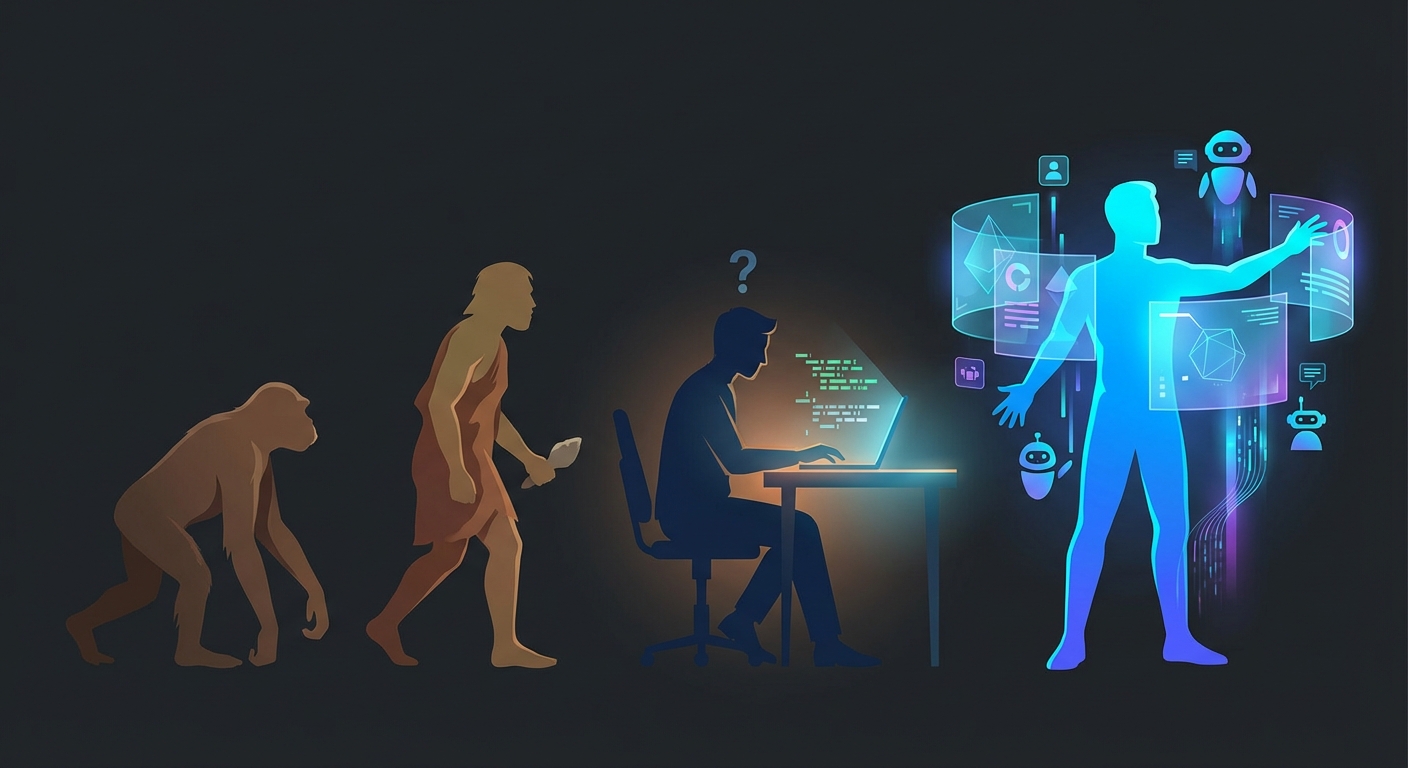
The Three Eras of AI-Assisted Development In less than four years, the way developers use AI has gone through three …