
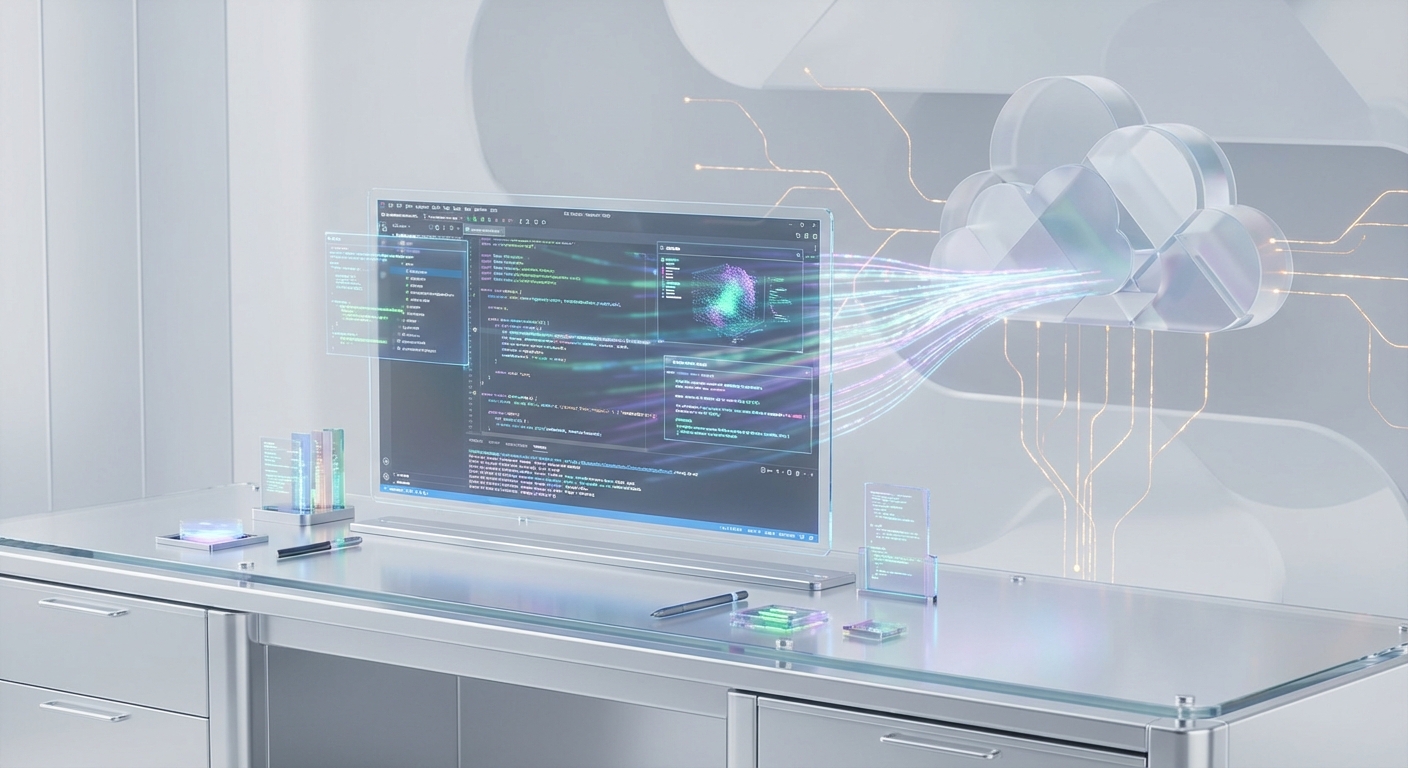
Calliope IDE v1.4.0: Bedrock Support and Smarter Agents
What’s New in v1.4.0 Calliope AI IDE v1.4.0 is our biggest agent reliability release yet. This update brings full …


Energy and utility companies operate critical infrastructure. Power plants, transmission networks, distribution systems, pipelines—assets that millions depend on.
AI could transform operations. Predictive maintenance, demand forecasting, grid optimization, outage response. The potential is transformative.
But utility IT isn’t like other IT. Air-gapped operational networks. NERC CIP compliance. Physical safety implications. Nation-state threat actors.
Calliope brings AI to energy and utilities—with the security posture critical infrastructure demands.
Energy companies face unique constraints:
OT/IT separation is mandatory. Operational technology networks controlling physical infrastructure must be isolated. AI can’t bridge that gap carelessly.
NERC CIP compliance. Bulk electric system operators face stringent cybersecurity requirements. Every new system must fit the compliance framework.
Physical safety implications. Wrong information could lead to physical harm. AI hallucinations aren’t just embarrassing—they’re dangerous.
Broad network footprint. Assets spread across states, countries, and terrain. Connectivity varies from fiber-connected substations to remote wells.
Deploy where your network allows:
Match your deployment to your network architecture.
Calliope supports utility compliance:
Your compliance framework, supported.
Critical infrastructure security is paramount:
Security built in, not bolted on.
Operations teams can:
Institutional knowledge accessible at every location.
Maintenance teams benefit from:
Data-driven maintenance decisions.
Control room staff can:
Operational intelligence without compromising grid security.
Environmental teams can:
Compliance data accessible when needed.
Utility AI must respect OT boundaries:
IT Side (Typical Calliope Deployment):
OT Interface (Carefully Architected):
Calliope doesn’t control your grid. It makes operational data accessible for analysis.
Utilities have extensive field operations:
Field Access:
Remote Locations:
Your field crews get AI assistance wherever they work.
Calliope connects to:
Secure connections. Utility-appropriate architecture.
Energy and utility organizations typically begin with:
What’s New in v1.4.0 Calliope AI IDE v1.4.0 is our biggest agent reliability release yet. This update brings full …
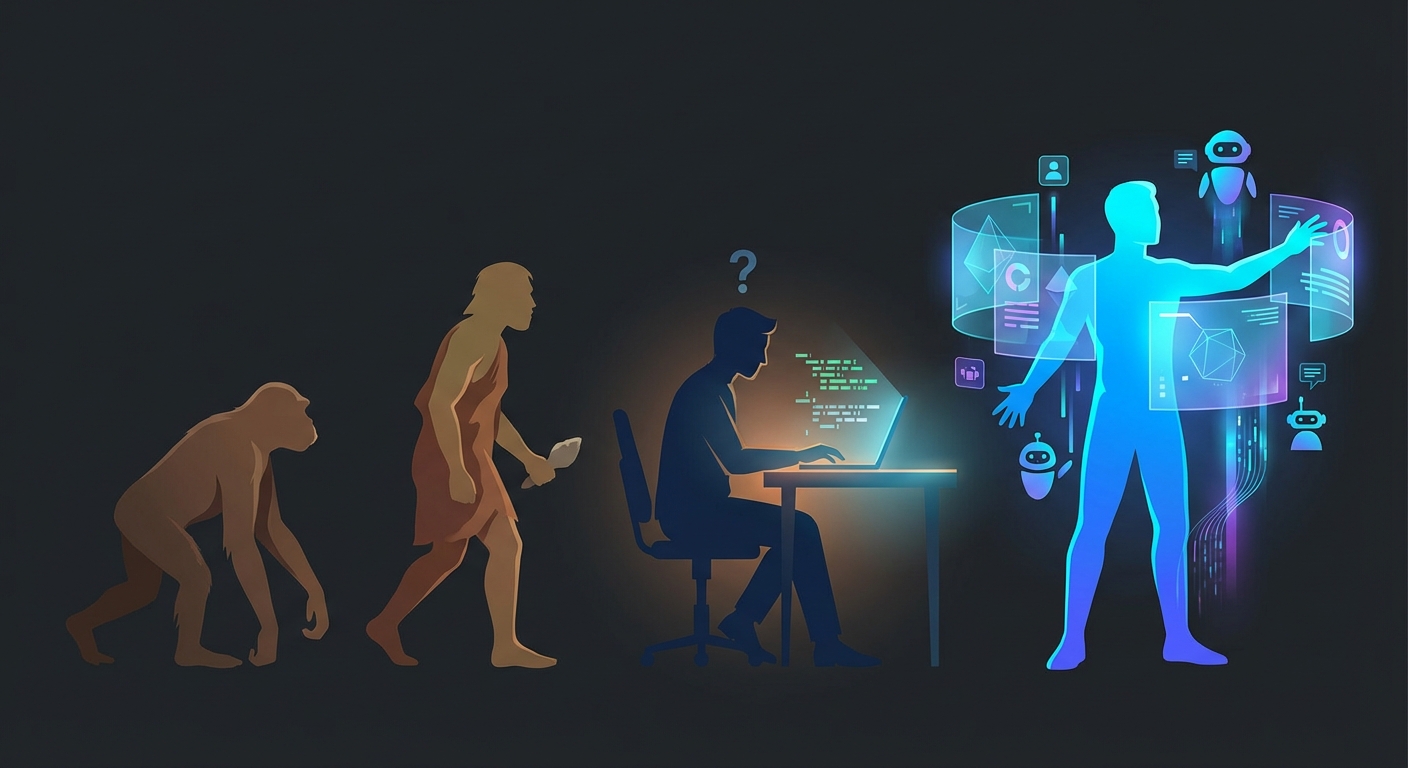
The Three Eras of AI-Assisted Development In less than four years, the way developers use AI has gone through three …